 Certbound
How to use this practice set
Choose A, B or C, then select Check answer. Read the explanation before moving on. For a figure question, use Enlarge figure to inspect the labels and keep the figure number in view.
Previous and Next let you move through the set. You can skip a question and return to it. Once checked, an answer stays recorded until you start again. View results includes only answers submitted with Check answer. Questions you skip or leave unchecked are shown separately from matched answers and items to review.
The exercise is untimed. Answers stay in this page session; refreshing or leaving the page starts a new session. The question-and-source reference below remains available without completing the exercise or creating an account.
Try answering before opening the reference. Then explain the rule or chart reading in your own words. Recognizing a familiar option is a different task from working through a new question.
Which parts come from the FAA?
The stems, options and ACS codes come from the FAA's Unmanned Aircraft General sample questions dated August 10, 2021. The FAA PDF contains 46 questions and does not publish an answer key. Certbound supplies the reviewed keys, explanations and selected supporting excerpts.
Read the original FAA sample document alongside the explanations if you want to check the distinction. These are published study questions, not a promise that the same questions will appear on your examination. Certbound is not affiliated with the FAA.
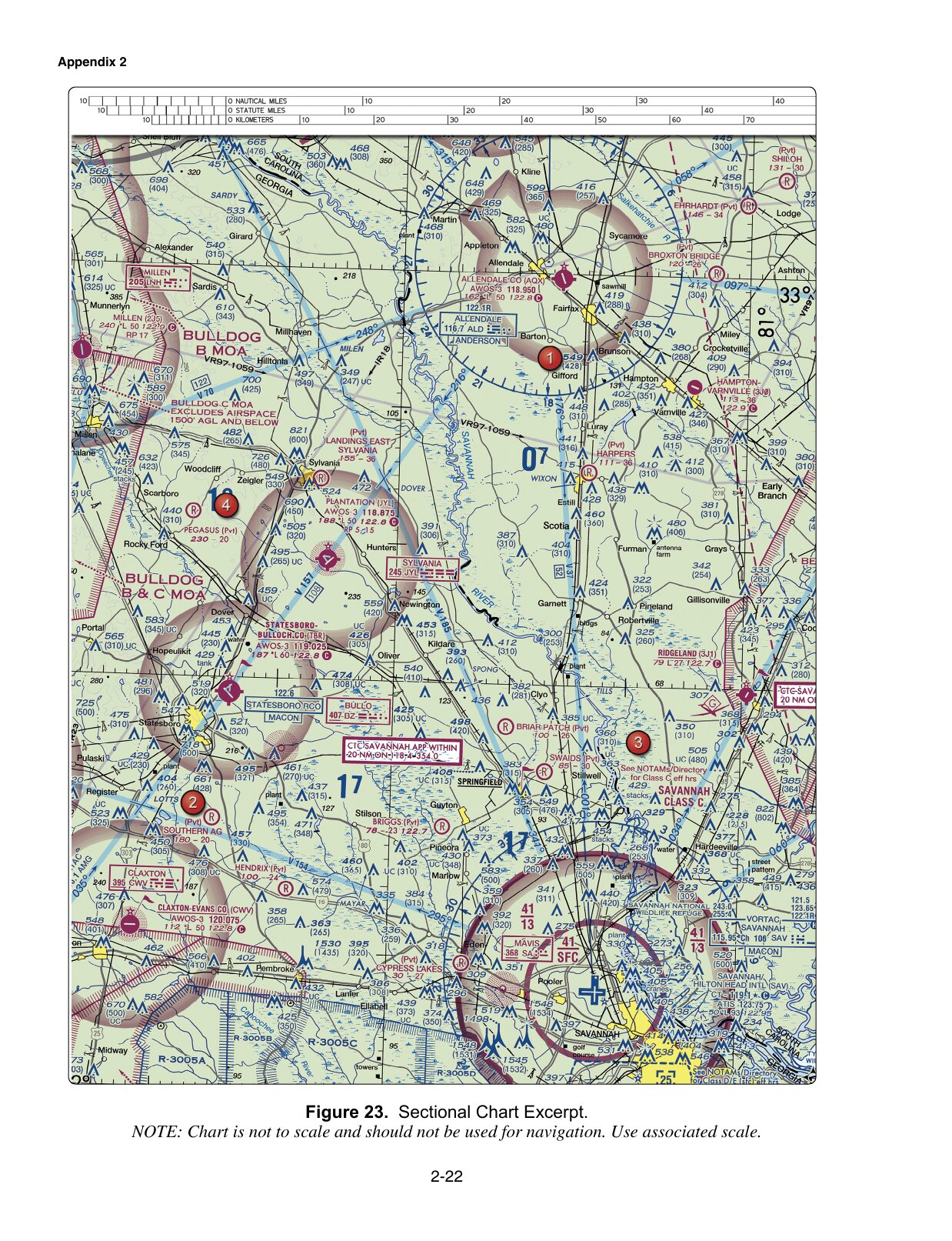
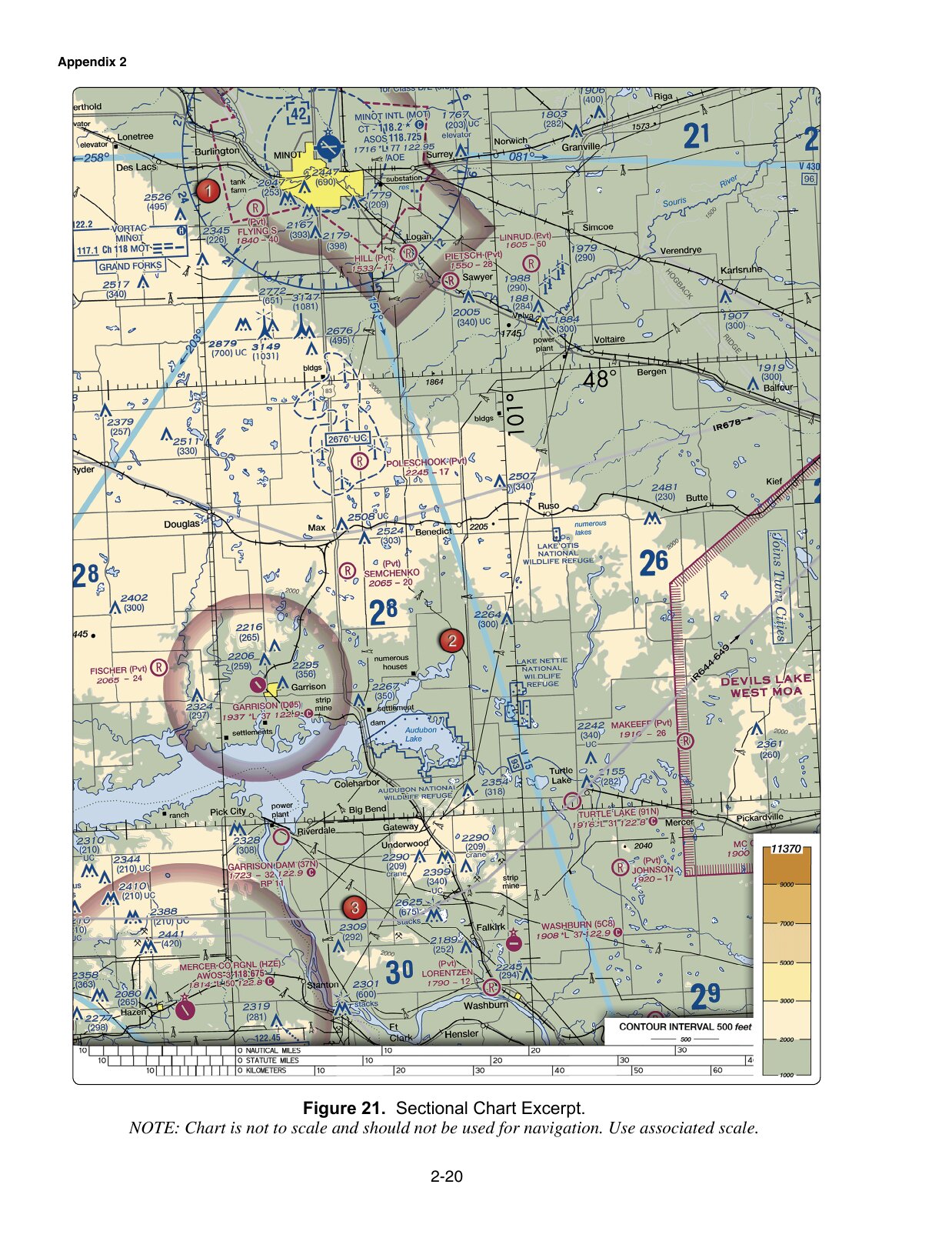
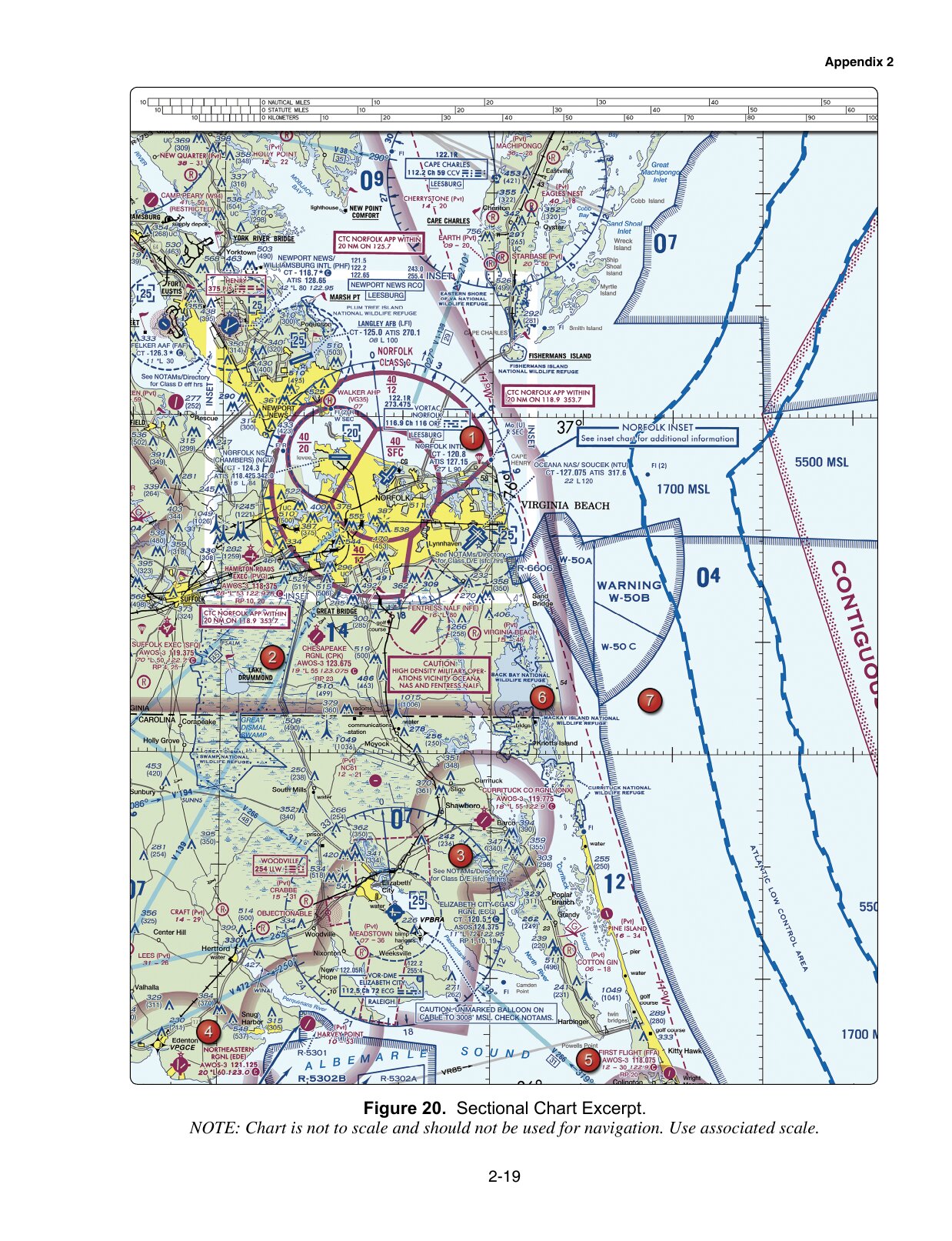
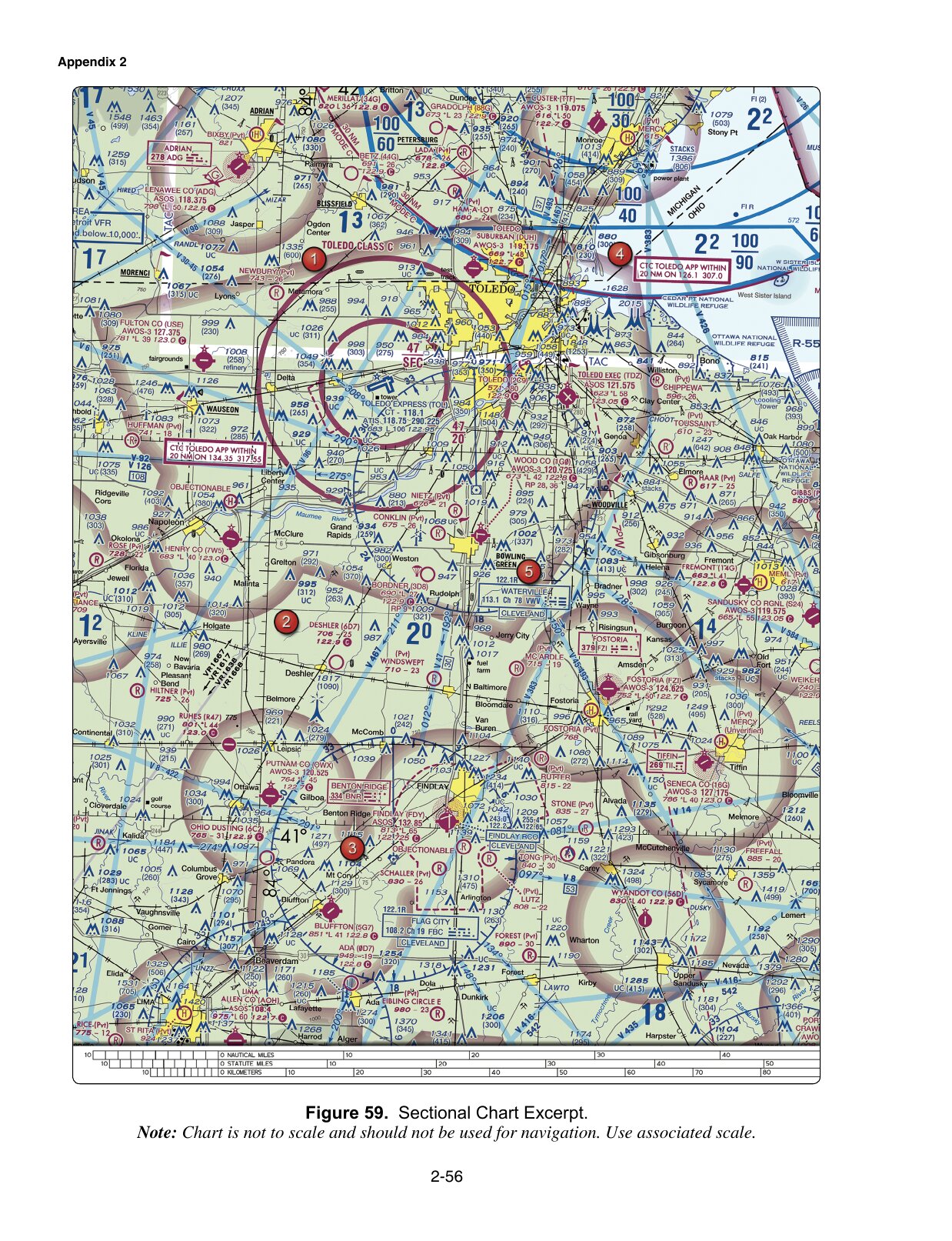
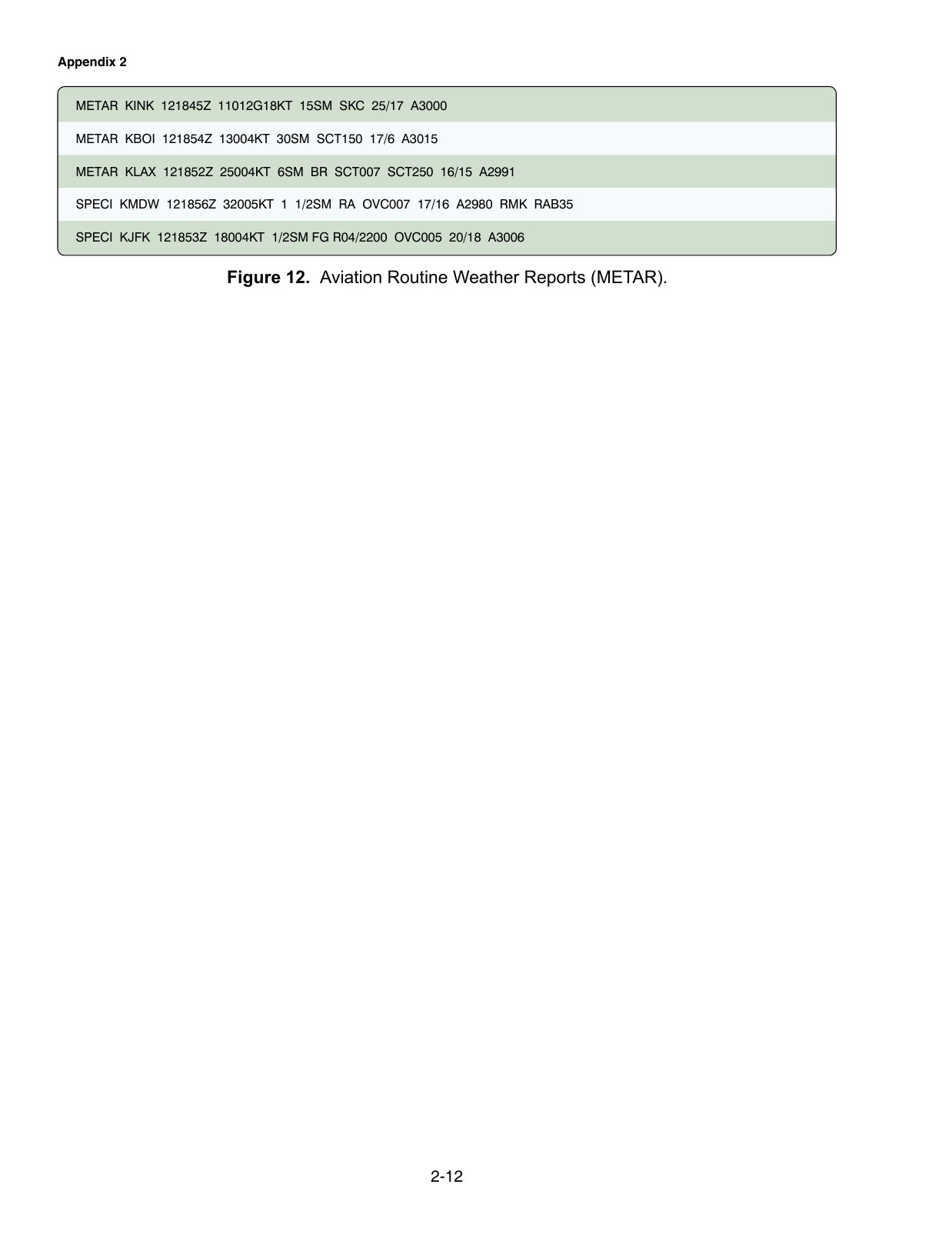
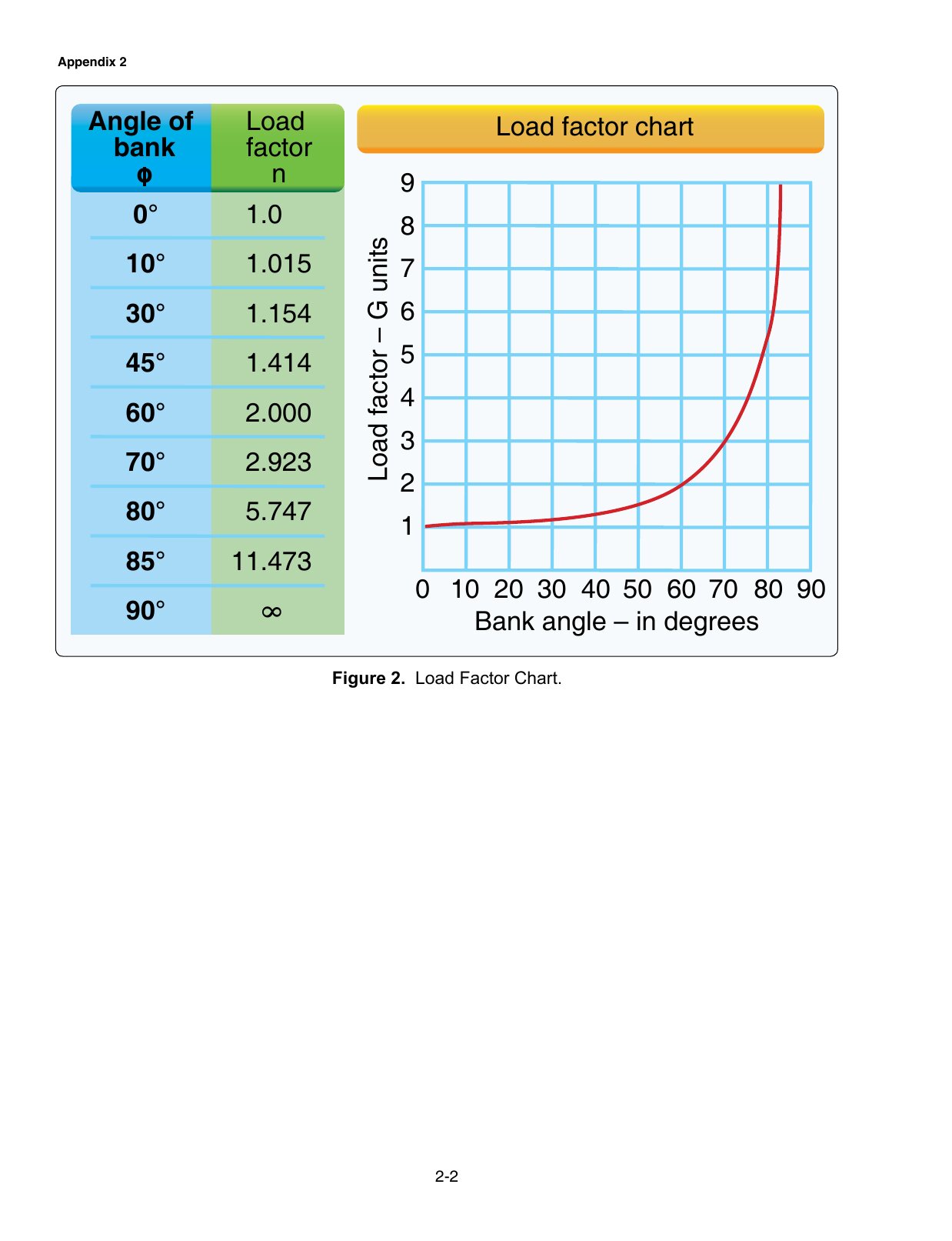
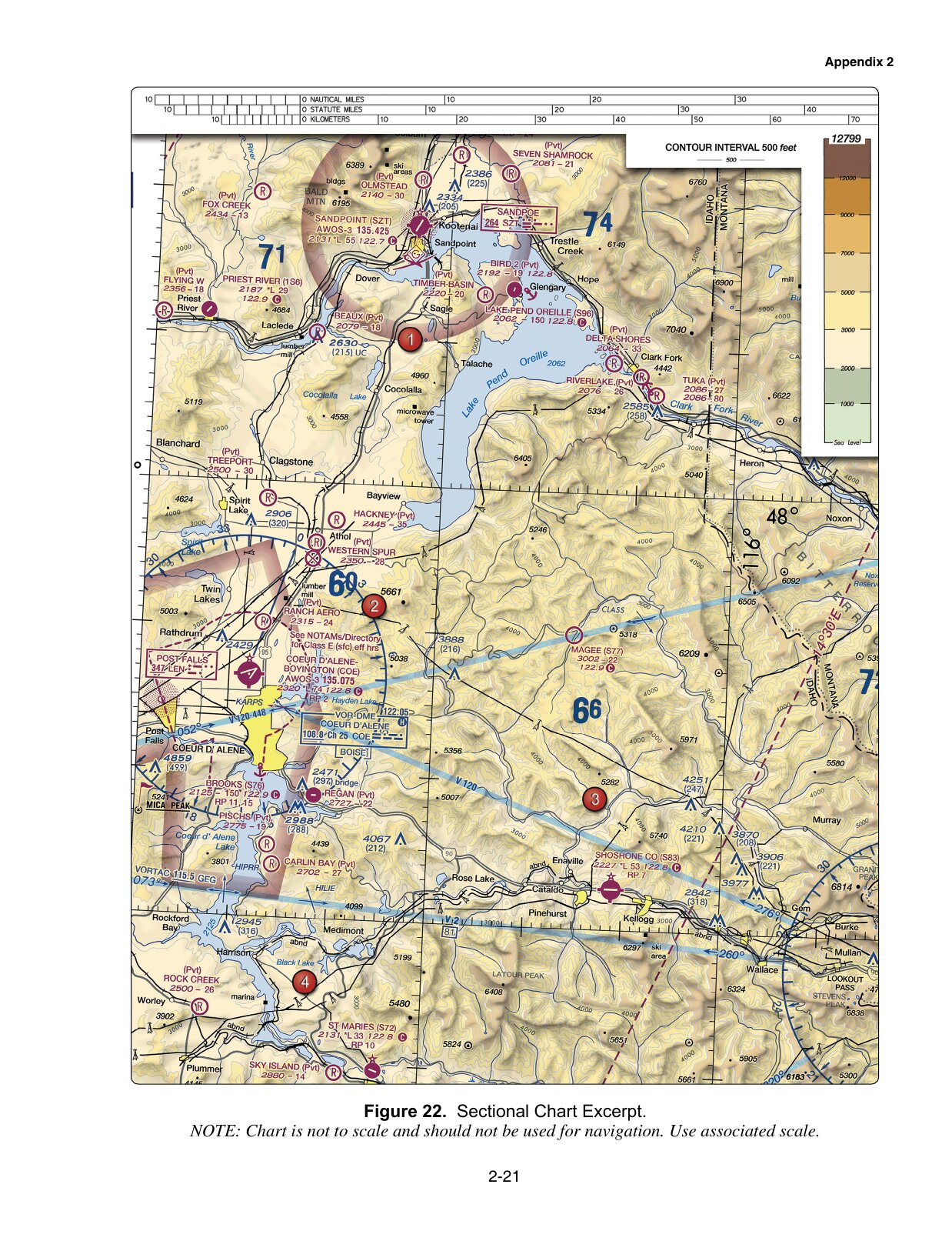
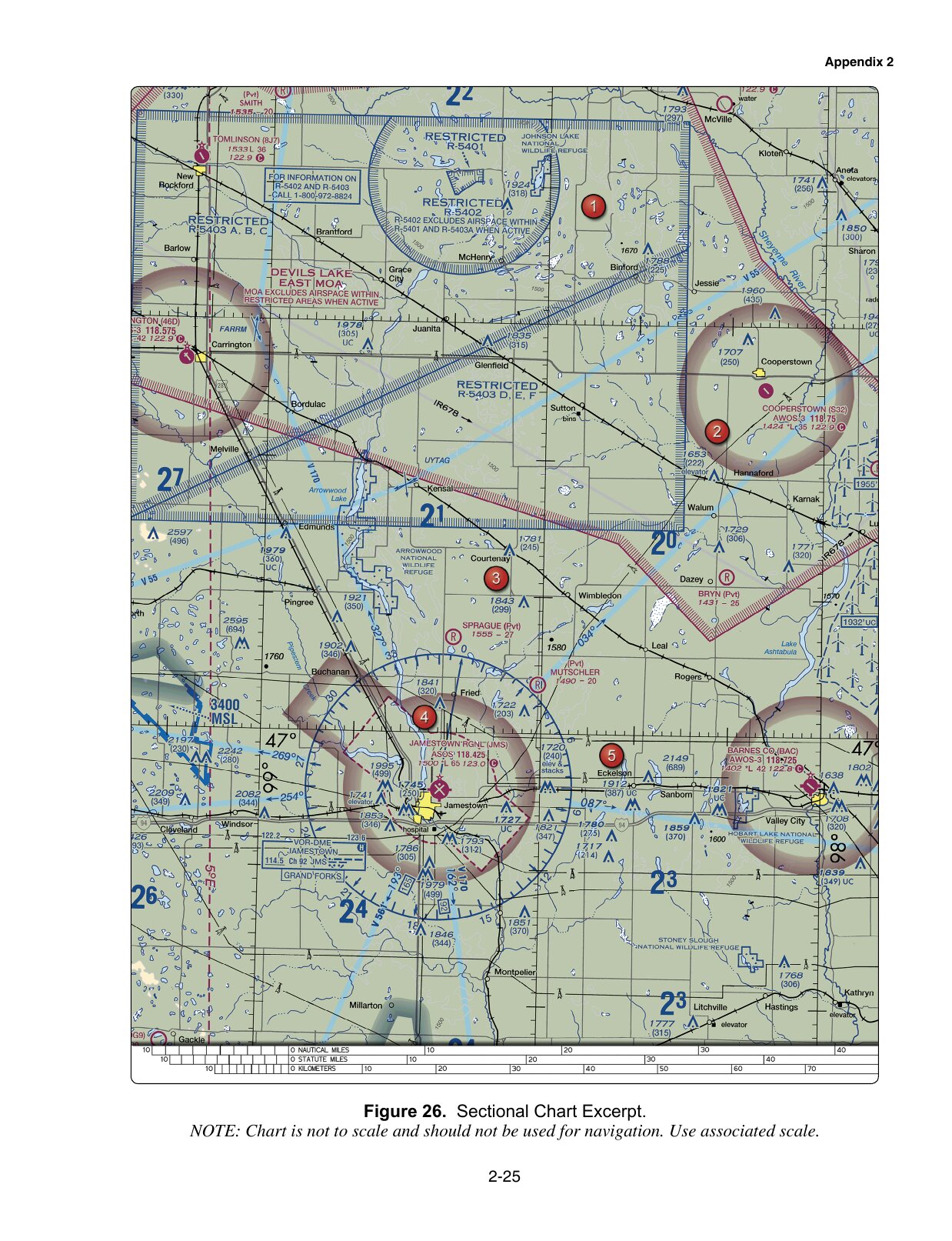
The figures come from FAA-CT-8080-2H, the testing supplement referenced by the sample document. They are historical training excerpts. Airport information, frequencies and airspace in those images must not be used as current flight-planning information.
What your result can tell you
This set contains questions carrying 32 distinct ACS codes across five broad areas. The result describes your work on these questions only. It cannot establish coverage of the entire certification standard or predict whether you will pass.
| Sample area | Questions in this set |
|---|---|
| Regulations | 11 |
| Airspace classification and operating requirements | 6 |
| Weather | 6 |
| Loading and performance | 4 |
| Operations | 19 |
The counts are a description of the published sample set, not the weighting of the current examination. A clear result on four loading questions does not settle every loading topic. A topic with no question here has not been assessed.
For each item you need to revisit, keep the ACS code, the deciding condition and the source together. “Read the floor in feet MSL” is a more useful study note than remembering that one answer was B.
How the actual UAG differs
The PSI applicant bulletin, effective September 29, 2025, specifies 60 scored questions plus 5 unscored validation questions, 120 minutes and a 70% passing score. This 46-question exercise does not reproduce that full format, timing or content distribution.
The bulletin lists the current area percentages as Regulations 48%, Airspace 20%, Weather 5%, Loading and Performance 2%, and Operations 25%. Use the current bulletin when planning examination preparation; the older sample set has its own uneven mix.
FAA's September 2026 testing advisory announces image-based UAG questions beyond the printed supplement beginning October 26, 2026. The same advisory says a date for removing the supplement from test centers has not been set. Practice reading the image provided with a question, and check the latest FAA and PSI instructions before your appointment.
How hard is the Part 107 test?
The PSI UAG bulletin, page 4, sets the test at 60 scored questions plus 5 unscored validation questions, with 2 hours (120 minutes) allowed and 70% required to pass. It also requires a 14-day wait after failure before retesting. These facts were checked October 20, 2026.
The same bulletin says sample questions do not represent the full range of content or difficulty on the examination. Treat this set as practice, not a pass prediction. Use the Part 107 study guide to plan your review and the cost and booking guide for retest requirements.
Choose the next topic deliberately
Use airspace practice to separate authorization, chart boundaries and current restrictions. Use the sectional-chart questions when the difficulty is finding and interpreting a label in the image.
Both pages reuse clearly identified questions from this free sample set. They add a focused reading method, not extra evidence that you have covered the whole exam.
For the certification process itself, read How to get a drone license alongside the FAA's remote-pilot guidance. If you fly only for personal enjoyment, start with Do you need a drone license?. For Certbound's wider product and current availability, see the product page. Your browser result does not create a certificate, submit an application or transfer a record into the app.
Read the October 26 exam-change explanation, sectional legend guide and Part 107 study guide for a structured review. Decode weather examples in the METAR and TAF study tool.